Curative Children's Long-Term Support
Supporting Your Child Through Everyday Challenges: Tips for Caregivers
Everyday routines can come with big challenges. Discover practical ways to support your child through transitions, big emotions, daily activities and new experiences while building confidence and independence.
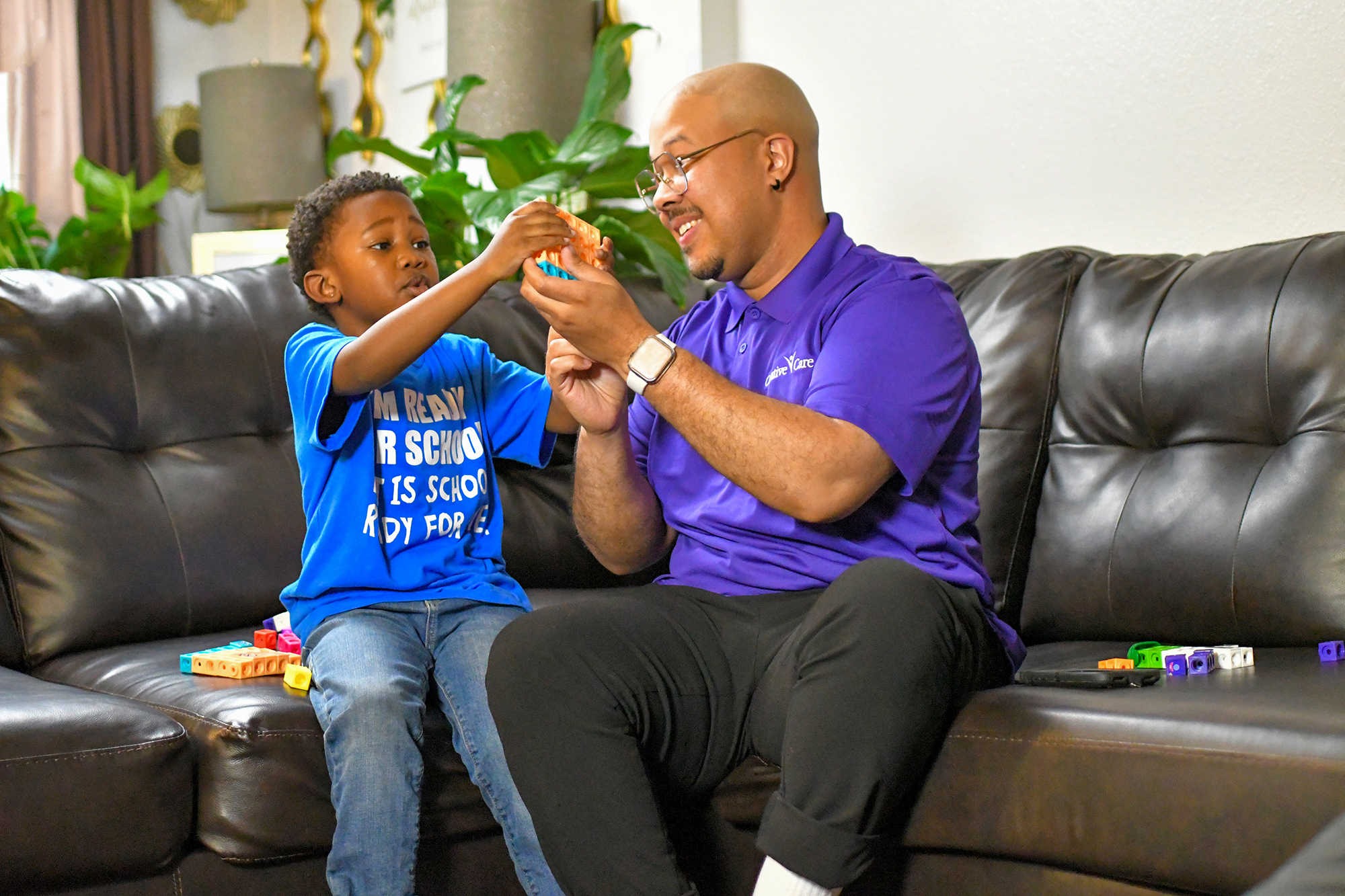
Everyday activities like getting dressed, brushing teeth, transitioning between activities or managing big emotions can sometimes feel overwhelming for children and their caregivers. These moments can be opportunities to learn new skills, practice problem-solving and build confidence with the right support.
Every child has their own strengths, preferences and needs. What works well for one child may look different for another, and finding the right approach often takes patience and practice.
The good news? Small changes to familiar routines can make a difference. Here are six strategies caregivers can try to help make everyday challenges more manageable for the whole family.
1. Create Predictable Routines
Daily Living Skills Structure Confidence
Knowing what to expect can help children feel more comfortable throughout the day. Consistent routines give children opportunities to understand what comes next and practice familiar activities.
Try this at home:
- Keep morning, mealtime and bedtime routines as consistent as possible.
- Use a visual schedule with pictures or simple words to show the order of activities.
- Give your child a reminder before moving to the next activity.
- Break routines into smaller steps that are easier to follow.
Make it work for your family: Start with one part of the day that regularly feels challenging. A simple picture schedule or consistent sequence of steps may be enough to get started.
2. Break Big Tasks Into Smaller Steps
Problem-Solving Self-Care Independence
Some everyday activities involve several skills at once. Getting dressed, putting away toys or preparing to leave the house can feel like a lot when a child is expected to manage every step at once.
Breaking a task into smaller, manageable steps gives children a chance to practice one part at a time.
Try this at home:
- Focus on one step at a time, such as putting on socks before shoes.
- Demonstrate a task so your child can see what to do.
- Give one clear direction at a time instead of several instructions.
- Allow extra time for your child to try a step independently.
- Recognize effort and progress, even when your child needs help finishing.
Remember: Independence doesn't have to mean doing everything alone. Participating in one part of a task is meaningful progress, too.
3. Support Your Child Through Big Emotions
Emotional Regulation Communication Connection
Children may have difficulty expressing what they feel, especially when they are frustrated, tired, overwhelmed or having trouble communicating what they need. Sometimes, behavior can be a sign that an activity or situation is difficult for them to manage.
Helping children feel understood and identifying supportive strategies can make challenging moments easier to navigate.
Try this at home:
- Use a calm, reassuring tone when possible.
- Acknowledge feelings with phrases like, "I can see that this is frustrating."
- Offer two simple choices when appropriate.
- Explore calming activities, such as listening to music, taking a quiet break or using a familiar comfort item.
- Talk about what happened when your child is calm and ready to reconnect.
Make it personal: Pay attention to what helps your child feel comfortable. Some children benefit from quiet time, while others may prefer movement, reassurance or help communicating their needs.
4. Make Transitions Easier
Transitions Flexibility Daily Routines
Moving from one activity to another can be challenging, especially when a child is enjoying what they are doing or feels uncertain about what comes next. Preparing for a change can help make transitions more manageable.
Try this at home:
- Give advance notice before ending a preferred activity.
- Use a timer, visual cue or familiar song to signal a change.
- Explain what is happening next with simple, clear language.
- Create a consistent transition routine, such as putting away one toy before moving on.
- Allow extra time when possible, especially during busy parts of the day.
Look for patterns: Consider whether noise, fatigue, unexpected changes or difficulty understanding directions may be making transitions more difficult. Identifying what contributes to the challenge can help you choose a useful strategy.
5. Encourage Independence While Offering Support
Everyday Skills Decision-Making Confidence
Children build skills through opportunities to participate, explore and try new things. Offering support while allowing room to practice can help children become more comfortable with everyday activities.
Try this at home:
- Offer simple choices, such as selecting between two shirts or activities.
- Let your child try a manageable part of a task before stepping in.
- Use demonstrations, visual cues or gentle reminders when needed.
- Adapt activities to match your child's current skills and comfort level.
- Celebrate attempts and effort, not just completed tasks.
Keep expectations flexible: Every child develops differently. The goal is to support meaningful participation and help your child build skills at a pace that works for them.
6. Recognize and Celebrate Small Wins
Encouragement Motivation Skill Building
Progress doesn't always happen all at once. It might look like trying something new, asking for help, completing one step independently or working through a frustrating moment with support.
Recognizing these moments helps children see their efforts and gives caregivers an opportunity to notice which strategies are working.
Try this at home:
- Point out specific accomplishments, such as, "You put your shoes by the door!"
- Celebrate persistence, problem-solving and trying again.
- Notice progress compared with your child's own starting point.
- Repeat strategies that help your child feel successful.
Small steps count: Give your child time to practice without expecting every attempt to go perfectly. Progress may look different from day to day, and that's okay.
Caregiver reminder: You don't have to get it right every time.
Some days will go more smoothly than others. Try one strategy at a time, notice what works for your child and adjust when needed. Supporting your child is a learning process for caregivers, too.
When Additional Support May Help
If everyday activities consistently feel difficult for your child or your family, you don't have to navigate those challenges alone. Talking with your child's care team can help you explore what may be contributing to the difficulty and identify resources that fit your family's needs.
In Wisconsin, the Children's Long-Term Support (CLTS) Program helps eligible children with disabilities or significant support needs access supports and services intended to promote their well-being, independence and participation in their homes and communities.
Depending on eligibility, assessed needs and the services included in an approved support plan, CLTS may help connect families with supports that address individual goals and everyday needs.
Families can speak with their county's CLTS team or support and service coordinator to learn about eligibility, available supports and the process for getting started.
How Can Caregivers Get Started?
If you're unsure where to begin, consider writing down the everyday activities your child finds challenging, what you've already tried and what seems to help. These observations can be useful when discussing your child's needs with their care team or county support and service coordinator.
You can also explore information about the Wisconsin Children's Long-Term Support Program to learn more about program services and eligibility.
Every Child Deserves Support That Fits Their Needs
There is no single strategy that works for every child. What matters is finding approaches that respect your child's needs, build on their strengths and fit into your family's daily routines.
Start with one small change, give it time and adjust as needed. With encouragement, patience and appropriate support, everyday challenges can become opportunities to practice skills, build confidence and strengthen family connections.
You're Not Alone in the Journey
Every family deserves support that recognizes their child's individual strengths and needs. Explore Curative's resources and learn more about support available for children and families.
Explore Curative Learn About Wisconsin CLTS
Frequently Asked Questions
How can I help my child manage everyday challenges?
Start by identifying which activities are difficult and what may be contributing to the challenge. Predictable routines, simple directions, visual reminders, manageable steps and positive encouragement may help. Adapt strategies to your child's individual needs.
What can I do when my child becomes overwhelmed?
When possible, respond calmly, acknowledge your child's feelings and give them space and support to regulate. Consider which calming strategies work best for your child, and revisit the situation once they are ready. Seek guidance from your child's care team if these situations are frequent or difficult to manage.
How can I encourage independence without overwhelming my child?
Break activities into smaller steps, offer choices and allow time for practice. Provide prompts or assistance when needed, then adjust the amount of help based on your child's comfort, abilities and goals.
What is the Wisconsin Children's Long-Term Support Program?
The Children's Long-Term Support (CLTS) Program provides supports and services for eligible children with disabilities or significant support needs. Families can learn about eligibility, available services and enrollment through the Wisconsin Department of Health Services.
How can my family learn more about available support?
Contact your county's CLTS team or support and service coordinator to discuss eligibility and next steps. You can also explore Curative's website for information about its services and resources.